The UK’s rising cost of living affects everyone. But as a first time buyer, you might be particularly keen to keep your finances in check.
Pocket residents are first time buyers on middle incomes, so we understand how important it is to save where possible. Buying an energy-efficient new build home is a great place to start, and you can save on your gas and electricity bills further by making sustainable choices at home.
Read on for practical tips to help you save on energy bills. They may seem small, but they can make a noticeable difference over time, so why not start now?
Compare energy prices
Knowledge is power, so the first step to saving money on gas and electricity bills is to research your options and compare energy prices from different providers. Comparison sites let you do this for free, but you can also browse rates directly on energy suppliers’ websites.
When you’re shopping around for tariffs, stay financially savvy by looking out for hidden fees. It’s worth checking for any available discounts or special deals that could help you save, too.
Fixed-rate vs variable-rate tariffs
Also, consider whether a fixed or variable rate is better for you. A fixed-rate tariff locks in the price per unit and daily standing charge for a set period, protecting you from sudden price hikes. These tariffs often charge early exit fees and can cost more if energy prices fall.
Meanwhile, a variable-rate tariff means the price per unit and daily standing charge can go up or down depending on the market conditions. They offer more flexibility and potential savings if the Ofgem energy price cap drops, but can mean higher bills if energy prices rise.
If you do find a cheaper energy provider, make the switch. The energy provider you’re moving to will be able to process the switch without loss of supply, usually within a few weeks.
Upgrade your home
Install a smart heating system
Heating and hot water costs account for half of your energy bills, so it’s no surprise that something as simple as turning your thermostat down by one degree can save you around £80 per year. Plus, a smart thermostat can make a big difference by only heating the room in use.
Smart thermostats also help you track your usage and give you more control, so they’re a great option if you’re conscious of energy consumption. You can even operate them remotely on your phone, giving you the option to return to a warm home when you’ve been out.
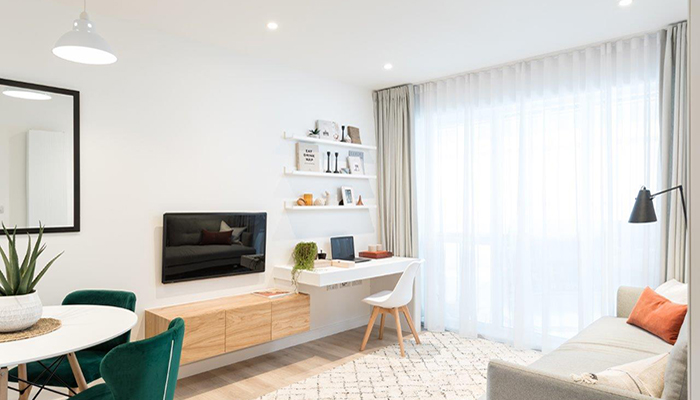
Many Pocket homes already have a smart thermostat, and if not, residents can get one installed. Register for a Pocket home to find out more.
Smart meters and energy apps
Installing a smart meter is another way to monitor your energy usage. Smart meters have a real-time display to track usage and send data to your energy provider so they can charge you accurate bills. By tracking usage, you can make mindful, money-saving adjustments to your energy consumption; for instance, turning kitchen appliances and devices off, rather than leaving them on standby.
Energy-efficiency apps like Loop, ivie and Hugo sync with smart meters to help you monitor your budget, provide tailored insights and identify ways to save on bills by reducing your energy usage.
Use energy-efficient lighting
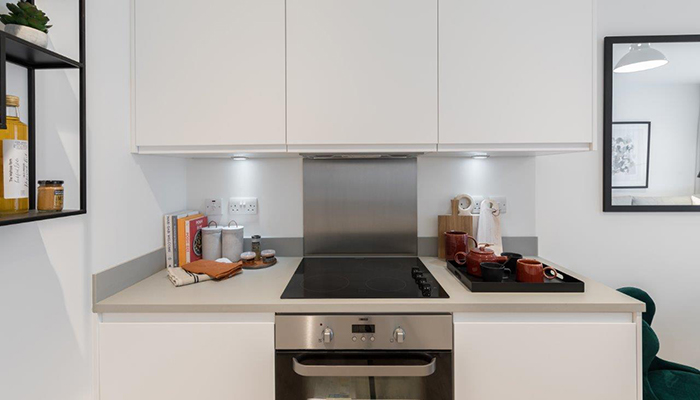
We fit Pocket homes with LED lighting as standard. LED bulbs use significantly less energy than conventional bulbs and need to be replaced much less often.
If you have older bulbs at home, switching to LED light bulbs can save you up to £3 per year for each traditional halogen bulb you replace. In the average UK home, replacing all bulbs would save about £40 a year. Since lighting accounts for a significant part of your electricity bill, it’s a switch worth considering.
Use smart plugs
Give appliances and devices an energy-saving upgrade by using smart plugs. By connecting to Wi-Fi, these plug-in adapters let you control electricals remotely via a smartphone app or voice assistant, turning them on or off, even when you’re not at home. Some smart plugs can also monitor power usage to identify energy-hungry devices and help you save money in the long run.
Make your home warmer in winter
Energy bills are higher in winter due to heating costs. During the colder months, there are several steps you can take to keep your home warm and bills down.
Curtains and blinds
Keep curtains and blinds open during the day to let the sun in and closed at night to prevent heat loss through windows. You could also invest in thermal insulated curtains for even better heat retention. Finally, keep doors shut to prevent heat from escaping.
Furniture placements
Next, think about furniture placement. Keep large items away from the radiator to allow hot air to circulate. The same goes for curtains and wet clothes. You can also use a radiator panel to direct heat towards the room rather than the wall, which isn’t too expensive and would be easy to install.
Modern insulation
If you’re looking to buy your first home, consider a new build, as insulation is much better in newer properties than older homes. This can save you a significant amount on your heating bills; the Home Builders Federation estimates that the average new build flat is 46% cheaper to heat than an existing property.
Make simple changes
Turn down or switch off
Small lifestyle changes can add up to big savings if you do them consistently. Switching devices off at the plug when you’re not using them, only boiling the amount of water you need and washing clothes at a lower temperature are all good habits you can implement straight away.
Replace old appliances
If you have the means, replace old appliances with energy-efficient ones. With many brands available at different price points, finding something within budget should be relatively easy.
If you buy a Pocket home, some energy-efficient appliances will be included with your purchase (our preferred supplier is also carbon neutral – another win!). Remember to turn them off when you’re not using them, or use timer plugs to schedule when they turn off.
Smart home design with Pocket Living
By incorporating these energy-saving tips into your everyday routine, you can lower your gas and electricity bills while having a more positive impact on the planet. To discover more about our energy-efficient Pocket homes for first time buyers in London, explore our developments and create a My Pocket account to register your interest in available apartments.