Why Our New Build Homes Are More Eco-Friendly: Sustainable Features That Reduce Carbon and Save Costs

One of the top reasons for buying a new build home is that it is more environmentally friendly: emitting less carbon than an older home and having a higher EPC rating, therefore lowering utility costs. According to The Home Builders Federation:

  • The average new build home emits 65% less carbon a year than an average older property
  • 86% of new builds have an A or B EPC rating (compared to 5% of existing older properties)
  • This makes heating, hot water and lighting costs 50% cheaper on average

But did you know that there are a lot of other features in new builds which are also helping the environment and supporting sustainable development and sustainable living?

For example, in the communal corridors at our Sheepcote Road HA1 development, the flooring used contains “ghost nets” – fishing nets which have been lost or discarded at sea and harm waters and wildlife. In this case, these have been retrieved and recycled into a durable recycled flooring material. At our Woodside Park N12 development, the communal corridors have Marmoleum flooring, which is a carbon neutral product that is also fully biodegradable. It is made with natural and renewable materials including linseed oil, wood flour, rosin and jute, making it an excellent example of eco friendly products used in sustainable housing development.

Also at our Woodside Park N12 development, the homes have integrated Lumi-Plugin LED downlights, which use very little energy. That’s not all, however, as these downlights are also combined with in-ceiling services such as heat or smoke detectors; these combined products mean less plastic and materials used, less wasted plasterboard and fewer deliveries to site (further reducing carbon emissions) since they all come as one, contributing to eco friendly living.

At Sheepcote Road HA1, within the individual homes, exposed soffits (in the living room and bedroom ceilings) reduce the materials required as no plasterboard is used. There is also no plasterboard to the perimeter walls of each home; these reductions of materials also have the added benefit of maximising space. The flooring is by Tarkett, whose designs contain on average 20% recycled content and are recyclable through Tarkett’s ReStart take-back and recycling programme. The product contributes to clearer air in the home as it has ultra low VOC (volatile organic compound) emissions, and is also phthalate-free – another strong example of eco friendly products.

At Woodside Park N12, the wet rooms were manufactured as a pod off site: a controlled factory environment for production means reduced embodied carbon as it creates less waste and fewer deliveries to a building site (bathrooms are otherwise complex and require a variety of trades to be on site such as plumbers, plasterers, tilers etc.). In addition, the Corian vanity top in the wet room is hygienic, renewable and repairable, reducing the need for new materials and harsh chemical products. EcoSmart shower technology means that 60% less water is required than conventional shower products.

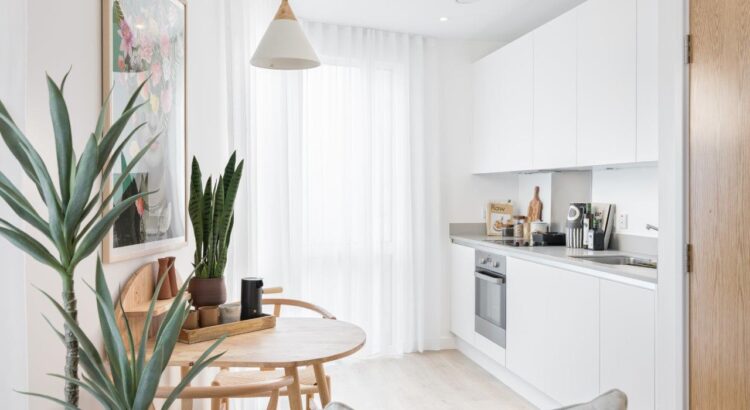
The timber in the kitchen furniture is sourced from responsibly-managed forestry, and at Sheepcote Road HA1, the kitchen worktops, cabinetry and door fronts all reach site via one delivery, saving emissions in transporting materials. These carefully sourced materials also serve as eco friendly kitchen units, supporting more sustainable choices for residents.

At Pocket, all of our homes are built on brownfield land, making use of space which had already been developed rather than developing on valuable green space. Almost all of our schemes have solar panels, which generate their own renewable solar energy to contribute to the power supply in the building’s communal areas, creating increasingly solar powered homes. Double or triple glazed windows to each home reduce the need for heating for each homeowner and at our more recent schemes, 97% of the window product used can be recycled.

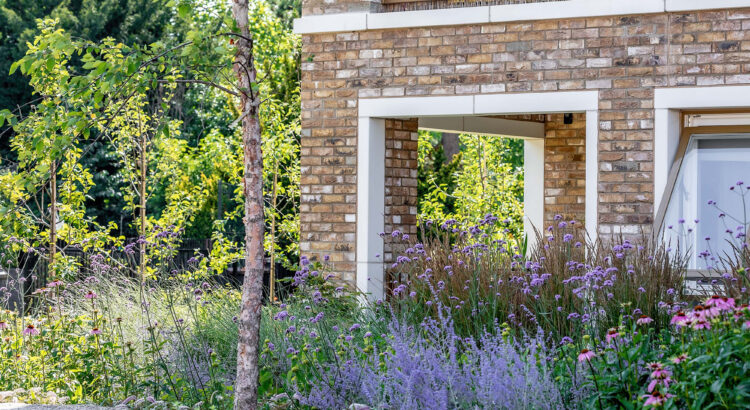
Additionally, landscaping and planting in communal spaces contributes to the biodiversity of the local area and helps pollinators to thrive. Many of our schemes include bat boxes, which are designed to support bat conservation efforts, encouraging bats into areas where there are few roosting sites. We also provide allotment beds wherever we can, which help residents to connect with nature, grow their own produce, and also contribute to furthering the biodiversity of the development.

Finally, the slightly smaller but well-designed nature of a Pocket home means the use of fewer resources overall, further reducing the carbon footprint of our homes and supporting an approach to sustainable living that benefits both homeowners and the environment.

The ultimate guide to indoor gardening for beginners

Indoor plants are brilliant for our physical and mental wellbeing. Having nature in our homes connects us with the outside world and helps filter the air in our home. Therefore, learning how to be an indoor gardener is useful for all of us, as we learn how to make our home both beautiful and better for our health.

Here we offer a guide on how to begin creating your indoor garden and how to make sure it flourishes.

Read More
Sustainable-housing-London

Sustainable developments – Harbard Close IG11

Our design team is clever – they understand that sustainability goes hand in hand with creating quality homes for modern living. Minimising waste and maximising efficiency is at the heart of what they do; they focus on inventive use of space and efficient planning so that real value is returned to our buyers.

Each of our developments is completely unique, with the team spending a lot of time getting the eco credentials up to scratch – from the methods of construction used to the paint on the walls. Our latest development in Barking, Harbard Close IG11, is a great example of a sustainable housing development in London. Read on to find out more about it.

Read More
How-to-make-your-home-more-eco-friendly

7 ways to make your home more eco friendly

As environmental concerns become increasingly pressing, the way that we live in our homes has become more important than ever. If you are wondering how to make your home more eco friendly, we have some answers for you that are surprisingly easy. By making small tweaks to your lifestyle and the way your home uses energy, it is possible to both have an eco-friendly home and save a lot on energy bills in the process.

Read More