You know how the story goes. You open your banking app to check your balance and wonder how your paycheque disappeared so fast. But don’t stress – saving money is something we all have to figure out at some point in our lives.
Whether you’re actively saving to buy your first home or want to get your finances in order before you start building a deposit, knowing how to save money effectively can make a real difference to your financial fitness.
This guide covers budget planning and saving tips, from clearing debt and reducing bills to boosting your bank balance.
What are some tips for saving money?

Pay off high-interest debt
Carrying high-interest debt, like credit cards and personal loans, makes saving money significantly harder. Clearing it frees up money each month that you can put towards saving instead. This can also improve your credit score and boost your chances of being approved for a mortgage when the time comes, as lenders will assess your debt-to-income ratio when reviewing your application.
Set a savings goal
Whether you have a specific number and timeline in mind or it’s simply a matter of saving whatever you can, having a clear savings goal will help you keep your eyes on the prize.
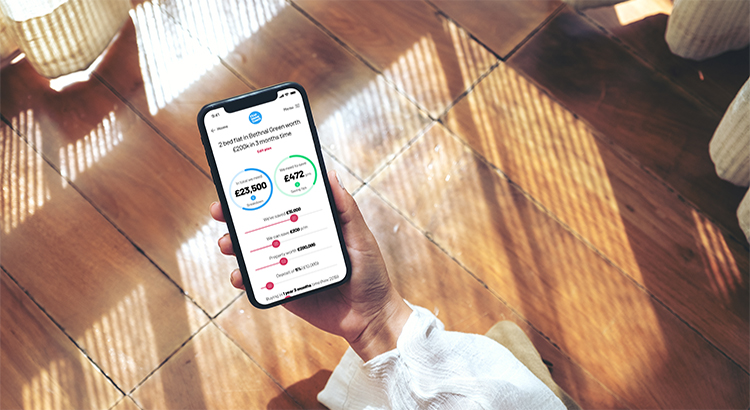
When you’re buying a home, most lenders require a minimum deposit between 5% and 20% of the purchase price. To buy a Pocket home, you’ll need to have a minimum deposit of 10% of the purchase price, but a higher deposit could mean you need a smaller mortgage and help you unlock more competitive interest rates. So, we always recommend putting down a bigger deposit if your finances allow.
Open a Lifetime ISA (LISA)
A LISA is one of the most valuable savings tools available to first time buyers. It’s a government-backed, tax-free savings account designed to help you buy your first home or save for later in life. If you’re aged between 18 and 39, you can save up to £4,000 each year, and the government will give you a 25% annual bonus – that’s up to £1,000 extra each year. You must have held the LISA for at least one year before you can use your savings – and the government bonus – to buy your first home.
Track your spending
A monthly budget planner gives you a clear view of your income and outgoings, making it easier to spot where you can make cuts. Review your recent bank statements to categorise your outgoings and calculate how much you’re spending each month on:
• Rent
• Utilities
• Food
• Transport
• Subscriptions
• Discretionary spending
This can help you identify areas where you’ll benefit from better budgeting, as you might be spending more on certain categories than you realised. Sometimes, simply seeing the numbers in black and white provides the motivation you need to change your spending habits.
Audit subscriptions
These automated payments often leave your account each month without you even noticing – they may even include services you’ve forgotten about. Go through your subscriptions and cancel the ones you never use. You could also switch to ad-supported options to save some money each month or see if paying annually instead of monthly works out cheaper.
Reduce your energy bills
From doing laundry at a lower temperature to switching off appliances and devices rather than leaving them on standby, there are various ways to lower your energy bills. You may also be able to switch to a cheaper tariff or energy provider to minimise your monthly costs. Use a price comparison site like Uswitch or MoneySuperMarket to see if you could be paying less by changing suppliers.
Try the 50/30/20 rule
The 50/30/20 rule is a simple budgeting framework that divides your take-home pay into three weightings:
• 50% on needs
• 30% on wants
• 20% on savings
For example, if your income after tax were £3,000, you’d spend £1,500 on needs, £900 on wants and £600 on savings. If you saved that amount each month, you’d have £7,200 in a year, plus any interest earned from your savings account.
Sell unused items for extra cash
You can also boost your savings balance by making some extra money. Selling items you no longer use, such as clothing, books and sports equipment, is an easy way to do so. Platforms like Vinted, Depop, eBay and Facebook Marketplace make it straightforward to list items and reach potential buyers. Plus, it’s a great way to declutter before a home move.
Register with Pocket to take the next step
Getting your finances in order is a crucial step towards buying your first home. By planning your budget, using savings tools and spending your hard-earned money strategically, it’s possible to make savings and add the spare cash to your deposit fund.
Pocket exists to make buying your first home in London more affordable. We sell our homes with 100% ownership at a 20% discount, helping you get on the ladder in the city you love.
Explore our developments in well-connected neighbourhoods and register with My Pocket to receive updates on homes you may be eligible for.